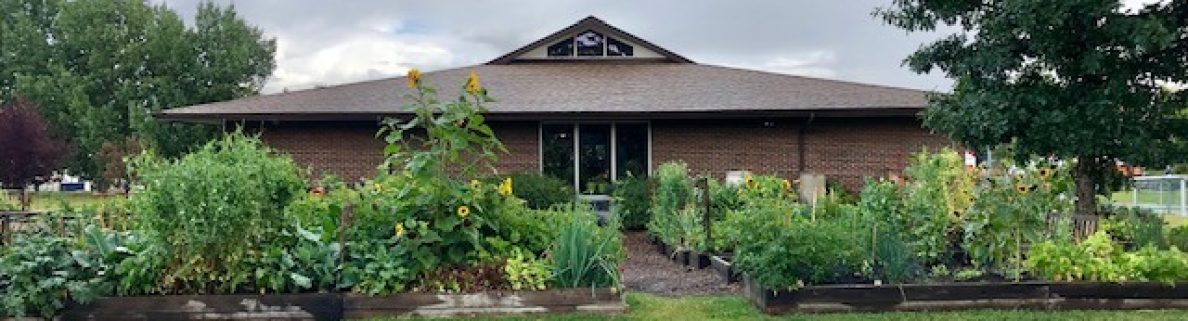
A weed is just a plant in the wrong spot…?
Many of the weeds in our garden are herbs or flowers that have been allowed to set seed like chives, dill, poppies, and violets. Others are aggressive plants that come from the surrounding area. These weeds are not native to North America but were introduced intentionally or non-intentionally by settlers.
Some weeds are very toxic (Black Henbane). Others are on the Alberta noxious weeds list meaning they must be destroyed or controlled (Canada Thistle) as they can damage natural habitats or crops. Some others are just very aggressive and difficult to remove once established (Chickweed).
The following are the top 6 weeds found in our community garden that should be removed completely or if not classified as noxious, as much as possible. They are extremely prolific and must be disposed of in the garbage as they can continue to propagate and spread in the garden compost.
The best rule of thumb is that if you did not plant it – it’s a weed and should be pulled asap! By the time it is allowed to grow large enough to identify, it becomes difficult to control and it has begun to set seed or develop large root systems.

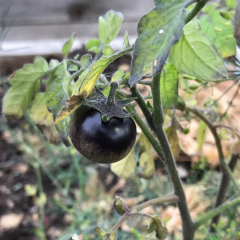
Black Henbane – perennial, noxious
Highly toxic!
Has sticky hairs on leaves and stems and purple/yellow flower spikes.
Fruit can be mistaken for black tomatoes as it is in the same Nightshade family.
Long tap root.
Remove entire plant and tap root. Wear gloves as sap can cause irritation and double bag
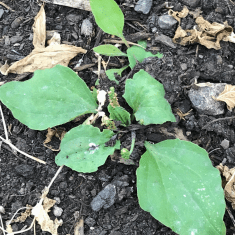
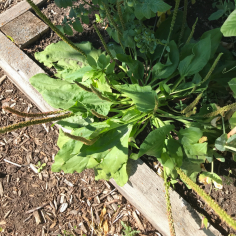
Broad-leaved Plantain – perennial
Large thick leaves close to ground with tall flower spikes
One plant produces 36,000 seeds and seeds can remain viable for up to 30 years.
Large, thick, fleshy roots
Control by digging out entire root system. If root is not completely removed it will regrow the next year.
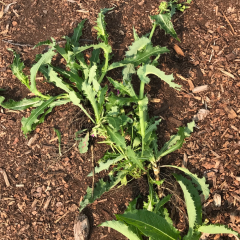
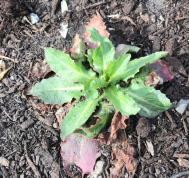
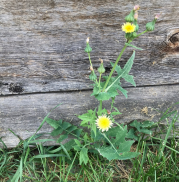
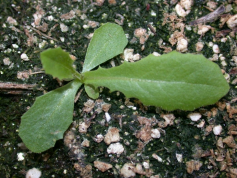
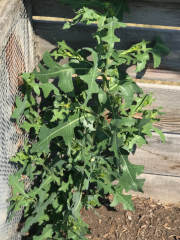
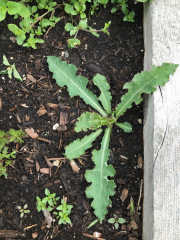
Canada Thistle and others – perennial, noxious
Not native to Canada!
Prickly stems with wavy, spine-tipped leaves and purple flowers.
Extremely long thick creeping roots (up to 6m deep and 4m wide).
Remove entire plant and root system. May have to turn over entire bed to completely remove all root pieces.
Other thistles equally noxious are Sow Thistle and Bull Thistle. They are difficult to distinguish apart when small so the other rule of thumb “if it’s prickly it’s a weed” applies.
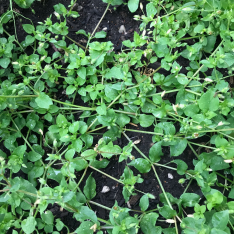
Chickweed – annual
Forms dense mats with shallow roots that compete with crops.
Produces seeds soon after tiny white blooms appear.
Seeds can remain viable for up to 30 years.
Can germinate at low temperatures and grows in shade
Control by hand pulling or cultivating throughout the entire season to prevent getting out of control and spreading.
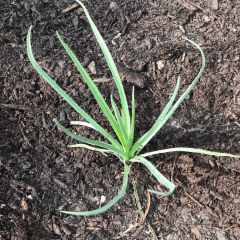
Goat’s Beard – biennial
Forms a tuft of grasslike leaves in first year.
Has yellow, dandelion-like flowers the second year.
Seeds have 95% germination rate.
Long tap root.
Remove entire plant and tap root.
References:
Alberta Invasive Species Council: https://abinvasives.ca/invasive-plants/
City of Calgary Preventing and Controlling Weeds: https://www.calgary.ca/bylaws/preventing-controlling-weeds.html
 Common Ground Garden Society